Top 5 AI-Driven Platforms for Optimizing Energy Efficiency in Water SCADA Systems

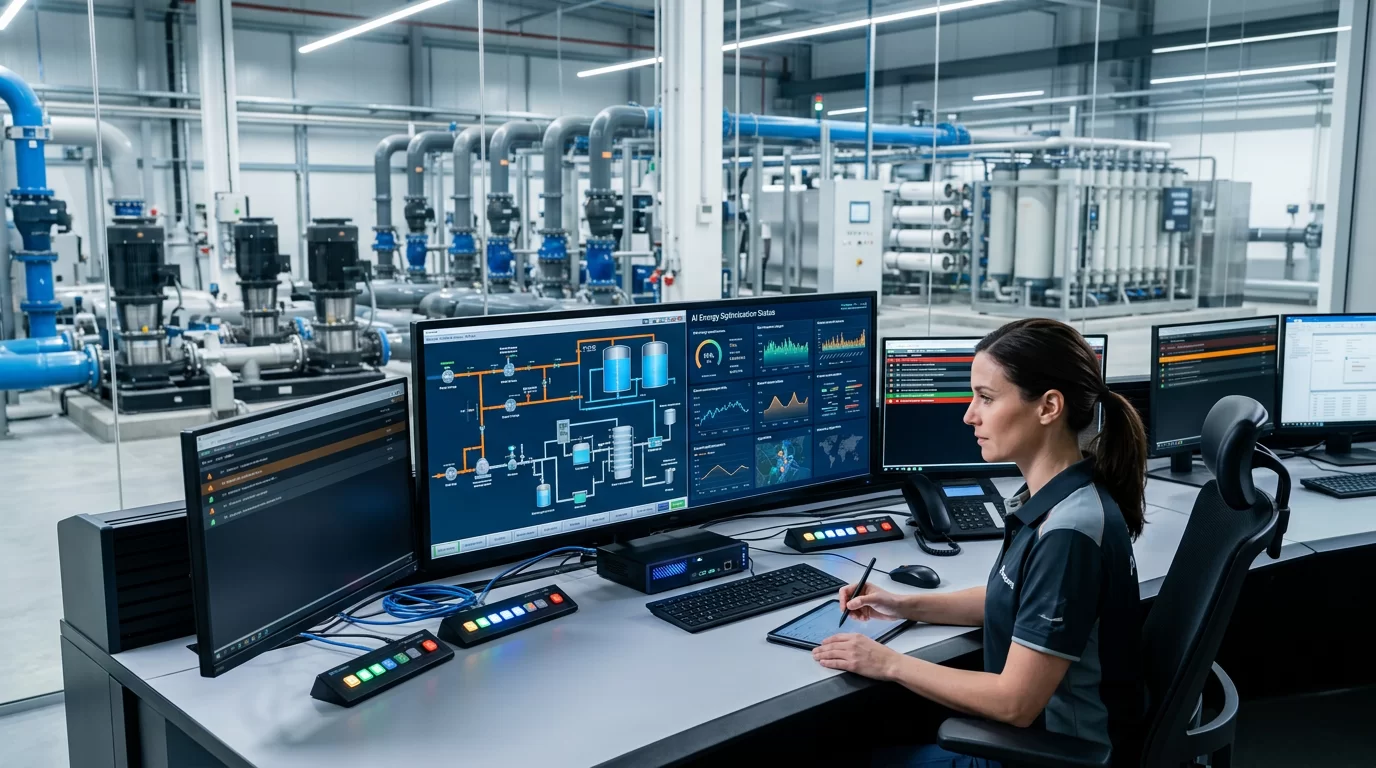
Discover the top 5 AI-driven platforms optimizing energy efficiency in water SCADA systems to reduce costs and improve infrastructure sustainability today.
- The Intersection of AI and water SCADA Systems
- 1. Schneider Electric EcoStruxure for water & Wastewater
- 2. Xylem Vue (Powered by GoAigua)
- 3. Grundfos iSOLUTIONS
- Key Integration Features:
- 4. Bentley Systems OpenFlows WaterGems
- 5. Rockwell Automation: FactoryTalk EnergyMetrix
- Technical Comparison: Top AI water Platforms
- Implementation Challenges for SCADA Developers
- Future Trends: The Rise of the Autonomous water Grid
- Conclusion
The Intersection of AI and water SCADA Systems
For water infrastructure professionals and software engineers, the challenge of the current decade is clear: energy optimization. water and wastewater utilities are among the largest consumers of electricity in a municipality, often accounting for 30% to 40% of a city’s total energy budget. Traditional SCADA (Supervisory Control and Data Acquisition) systems, while excellent for monitoring and basic control, are often reactive and rule-based.
The integration of Artificial Intelligence (AI) and Machine Learning (ML) has transformed these systems into proactive, predictive engines. By analyzing high-frequency time-series data from sensors, AI-driven platforms can optimize pump scheduling, detect leaks in real-time, and manage pressure zones with surgical precision. Below, we explore the top five platforms leading this digital transformation.
1. Schneider Electric EcoStruxure for water & Wastewater
Schneider Electric’s EcoStruxure is a heavy hitter in the industrial IoT space. For water SCADA developers, its strength lies in its Digital Twin technology. By creating a virtual replica of the water network, the platform uses AI to simulate various operational scenarios and identify the most energy-efficient pump configurations.
- Technical Edge: Utilizes advanced analytics to predict demand patterns and adjust setpoints via OPC UA or Modbus protocols.
- Energy Impact: Often achieves up to a 25% reduction in energy consumption through optimized pump sequencing.
2. Xylem Vue (Powered by GoAigua)
Xylem Vue is a comprehensive digital platform specifically designed for water utilities. It excels at breaking down data silos between SCADA, GIS, and AMI (Advanced Metering Infrastructure). Its AI engine focuses on holistic operational intelligence.
From a developer’s perspective, Xylem Vue is highly attractive due to its vendor-agnostic nature. It can ingest data from diverse PLC and RTU manufacturers, applying Reinforcement Learning (RL) models to optimize chemical dosing and aeration—the most energy-intensive processes in wastewater treatment.
3. Grundfos iSOLUTIONS
While many know Grundfos for their hardware, their iSOLUTIONS cloud platform is a masterclass in edge-to-cloud AI integration. This platform focuses specifically on the “heart” of water systems: the pump. By using intelligent pump control (IPC), the platform automatically adjusts motor speeds based on real-time system curves rather than static flow targets.
Key Integration Features:
- Real-time Monitoring: Tracks vibration and temperature to predict failures before they lead to energy-wasting friction or downtime.
- Fieldbus Communication: Seamless integration with existing industrial Ethernet frameworks.
4. Bentley Systems OpenFlows WaterGems
Bentley Systems provides the gold standard for Hydraulic Modeling. Their AI-driven modules allow engineers to perform automated energy cost calculations. By integrating SCADA data directly into the hydraulic model, WaterGems uses genetic algorithms to find the optimal balance between maintaining pressure and minimizing kilowatt-hour consumption.
Software engineers appreciate the platform’s robust API, which allows for custom scripts to automate the export of optimized schedules directly back into the SCADA HMI, creating a closed-loop optimization cycle.
5. Rockwell Automation: FactoryTalk EnergyMetrix
Rockwell’s approach involves merging energy management software with AI-powered anomaly detection. Using their FactoryTalk suite, developers can create “Energy Dashboards” that correlate energy spikes with specific SCADA events (e.g., a valve malfunction or a clogged filter).
Their AI models identify “hidden” energy waste by comparing current performance against a baseline derived from historical high-efficiency periods, alerting operators to deviations in real-time.
Technical Comparison: Top AI water Platforms
| Platform | Primary AI Model Type | Integration Protocol | Key Use Case |
|---|---|---|---|
| Schneider EcoStruxure | Digital Twins / ML | OPC UA, Modbus, MQTT | Plant-wide efficiency |
| Xylem Vue | Reinforcement Learning | REST API, Multi-vendor | Network-wide optimization |
| Grundfos iSOLUTIONS | Predictive Analytics | Fieldbus, Profinet | Pump life & energy |
| Bentley OpenFlows | Genetic Algorithms | GIS, SCADA Connect | Hydraulic design & ops |
| Rockwell FactoryTalk | Anomaly Detection | CIP, EtherNet/IP | Energy tracking & ROI |
Implementation Challenges for SCADA Developers
While the potential for energy savings is massive, integrating AI into legacy SCADA systems is not without its hurdles. Developers must address data latency and data quality. AI models are only as good as the telemetry they receive. If a Flow Meter is uncalibrated, the AI might suggest an energy-efficient path that actually risks pipe cavitation.
Furthermore, cybersecurity is paramount. When moving from a local SCADA silo to a cloud-based AI platform, implementing Transport Layer Security (TLS) and robust identity management is non-negotiable. Modern platforms solve this by using “edge gateways” that sanitize and encrypt data before it leaves the plant floor.
Future Trends: The Rise of the Autonomous water Grid
The future of energy efficiency in water SCADA is moving toward Autonomous Control. We are shifting away from human-in-the-loop systems where an AI suggests a change, to “Full-Auto” modes where the AI directly writes to the PLC registers to optimize energy in real-time based on fluctuating electricity prices (Demand Response).
For the software engineer, this means a shift in focus from building UIs to building robust data pipelines and fail-safe logic. As energy prices continue to be volatile, these top 5 AI-driven platforms will become essential tools in the arsenal of every water utility professional.
Conclusion
Optimizing energy efficiency in water SCADA systems is no longer just about sustainability—it is about economic survival. By leveraging platforms like Schneider Electric, Xylem, and Grundfos, water infrastructure professionals can significantly reduce their carbon footprint while lowering operational costs. The transition from traditional monitoring to AI-driven predictive control is the most significant leap in water technology since the invention of the SCADA system itself.