AI in Hydraulic Modeling: Integrating WaterGEMS and Water Simulation

Unlocking Efficiency: AI Integration in Hydraulic Modeling with WaterGems and water Simulation
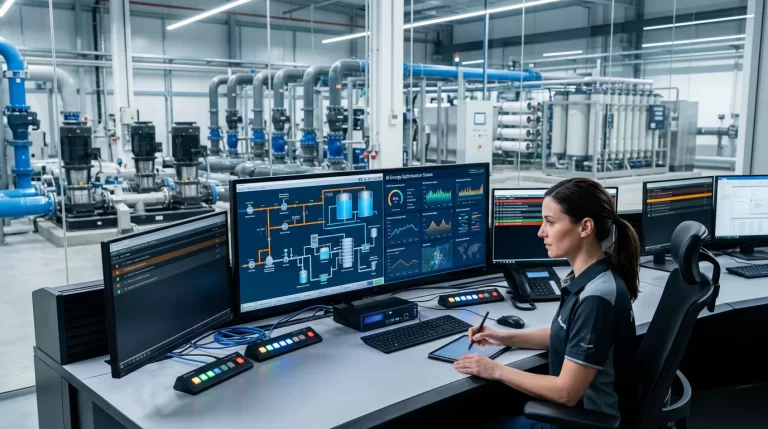
In the ever-evolving field of Hydraulic Modeling, the integration of Artificial Intelligence (AI) has emerged as a transformative force, particularly within platforms like WaterGems and water Simulation. This integration not only enhances the accuracy of modeling but also significantly improves operational efficiency, allowing water management professionals to make more informed decisions. AI algorithms can analyze vast datasets, identify patterns, and predict outcomes with a level of precision that traditional methods often struggle to achieve. As we delve into the future of Hydraulic Modeling, it becomes evident that leveraging AI capabilities will be crucial for optimizing water systems globally.
- Unlocking Efficiency: AI Integration in Hydraulic Modeling with WaterGems and water Simulation
- The Future of Hydraulic Modeling: Leveraging AI in WaterGems and water Simulation
- Transforming water Management: AI’s Role in WaterGems and Hydraulic Simulation
- Enhancing Hydraulic Models: How AI is Changing WaterGems and water Simulation
- A Deep Dive into AI and Hydraulic Modeling with WaterGems
- Understanding Hydraulic Modeling
- AI’s Role in WaterGems
- Benefits of Integrating AI into Hydraulic Models for WaterGems Users
The Future of Hydraulic Modeling: Leveraging AI in WaterGems and water Simulation
The future of Hydraulic Modeling lies in the seamless incorporation of AI technologies within established software like WaterGems and water Simulation. These platforms are already renowned for their robust modeling capabilities, but with AI, they are poised to reach new heights. AI can automate complex calculations, enhance real-time monitoring, and provide predictive analytics that inform proactive maintenance and system upgrades. This forward-thinking approach not only reduces costs but also minimizes the environmental impact of water management practices. As municipalities and organizations strive for sustainability, AI-driven Hydraulic Modeling offers a pathway to smarter water resource management.
Transforming water Management: AI’s Role in WaterGems and Hydraulic Simulation
AI’s role in transforming water management is profound, particularly in the context of hydraulic simulation using WaterGems. The ability to process large volumes of data and apply machine learning techniques allows for the optimization of water distribution networks, leak detection, and demand forecasting. For instance, AI can analyze historical consumption data, weather patterns, and demographic trends to predict water demand more accurately. This capability enables water utilities to allocate resources more efficiently, ensuring that supply meets demand without unnecessary waste. Moreover, AI facilitates better decision-making by providing insights and recommendations based on data-driven analyses, ultimately leading to enhanced service delivery and customer satisfaction.
| AI Application | Description | Benefits | Impact on water Management |
|---|---|---|---|
| Predictive Analytics | Utilizes historical data to forecast future water demand and system performance. | Improved resource allocation, reduced operational costs. | Ensures adequate supply and prevents shortages. |
| Leak Detection | Employs machine learning algorithms to identify anomalies indicative of leaks in water distribution systems. | Minimizes water loss and maintenance costs. | Enhanced efficiency of water distribution networks. |
| Real-Time Monitoring | Integrates IoT sensors with AI to monitor water quality and system health in real-time. | Immediate response to issues, improved water safety. | Increases public trust and compliance with regulations. |
| Decision Support Systems | Provides data-driven recommendations for management strategies and system upgrades. | Facilitates informed decision-making. | Optimizes long-term planning and investment. |
As we look towards the future, it is clear that the integration of AI within Hydraulic Modeling tools like WaterGems and water Simulation is not just an advantage but a necessity. The synergy between innovative technologies and traditional hydraulic models paves the way for more resilient, efficient, and sustainable water management practices. By embracing these advancements, water utilities can position themselves to face the challenges of the 21st century, ensuring that water resources are managed wisely and efficiently for generations to come.
Enhancing Hydraulic Models: How AI is Changing WaterGems and water Simulation
The integration of Artificial Intelligence (AI) into Hydraulic Modeling and water simulation is revolutionizing how engineers and water resource managers approach the analysis and management of water systems. Tools like WaterGems are now enhanced with AI capabilities, enabling more accurate, efficient, and insightful Hydraulic Modeling. This section delves into the transformative effects of AI on WaterGems and water simulation, exploring how these advancements streamline processes and provide powerful insights.
Historically, Hydraulic Modeling has relied on complex algorithms and substantial manual input. However, the advent of AI has introduced a paradigm shift. By leveraging machine learning algorithms and predictive analytics, AI can analyze vast datasets far more efficiently than traditional methods. This not only saves time but also reduces human error, providing more reliable results.
One of the key advantages of AI in WaterGems is its ability to enhance model accuracy. AI algorithms can identify patterns and correlations in data that might be overlooked by human analysts. For instance, when simulating various scenarios in water distribution systems, AI can rapidly process historical performance data and predict future system behaviors under different conditions. This capability allows engineers to optimize system designs and operations proactively.
Moreover, AI-powered insights can significantly streamline water simulations. By automating data collection and analysis, engineers can focus on higher-level decision-making rather than getting bogged down in data processing. This not only speeds up the simulation process but also allows for more frequent updates and revisions to models, ensuring that they reflect the most current data and conditions.
| AI Features | Benefits in Hydraulic Modeling | Impact on water Simulation |
|---|---|---|
| Data Analysis | Enhanced accuracy and reliability of models | Faster simulation cycles |
| Predictive Analytics | Proactive system design optimization | Real-time updates and scenario testing |
| Automation | Reduction of human error | Increased efficiency in model revisions |
| Pattern Recognition | Identification of unseen correlations in data | Improved decision-making capabilities |
Ultimately, the synergy between AI and Hydraulic Modeling tools like WaterGems represents a significant leap forward in the field of water management. As AI continues to evolve, its applications in Hydraulic Modeling will only expand, leading to even more innovative solutions to complex water resource challenges.
In conclusion, the impact of AI on Hydraulic Modeling and simulation is profound. By enhancing the capabilities of tools like WaterGems, AI is not only streamlining processes but also providing insights that can lead to more sustainable and efficient water management practices. As the technology matures, we can expect even greater advancements that will further revolutionize the way we simulate and manage water systems.
A Deep Dive into AI and Hydraulic Modeling with WaterGems
Artificial Intelligence (AI) is revolutionizing various industries, and water management is no exception. Hydraulic Modeling is an essential tool for engineers and water resource managers, allowing them to simulate water flow and distribution in various systems. WaterGems, a powerful Hydraulic Modeling software developed by Bentley Systems, is at the forefront of integrating AI technologies to enhance Hydraulic Modeling capabilities. This section explores how AI and Hydraulic Modeling converge within WaterGems, the advantages of integrating AI into hydraulic models, and the transformative benefits for users.
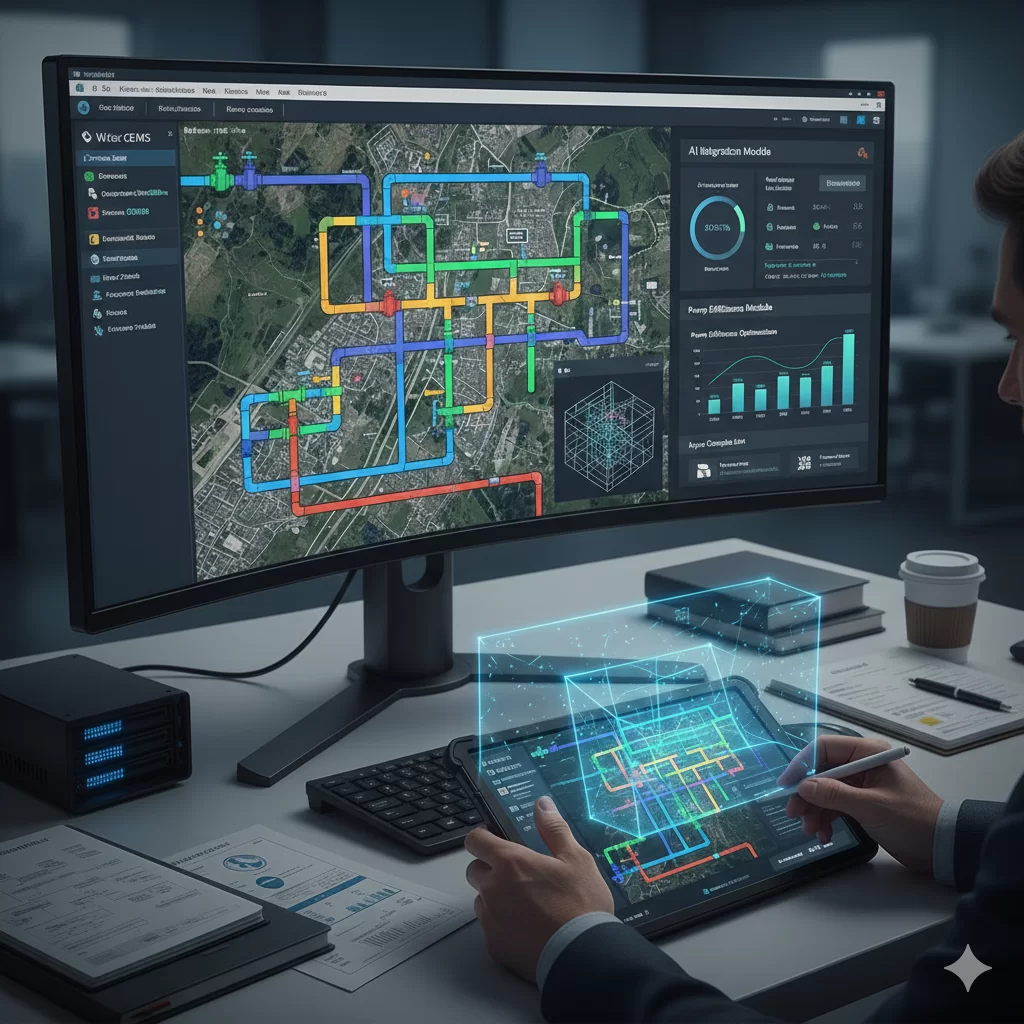
WaterGems provides a comprehensive platform for modeling, analyzing, and optimizing water distribution systems. By incorporating AI algorithms, WaterGems enhances its modeling capabilities, allowing for more accurate predictions and efficient water resource management. The integration of AI with Hydraulic Modeling can streamline workflows, reduce manual effort, and improve decision-making processes.
Understanding Hydraulic Modeling
Hydraulic Modeling involves the simulation of water movement through pipelines, treatment facilities, and distribution networks. Traditional modeling techniques rely on historical data, manual calculations, and standard algorithms to predict flow patterns and pressures. However, these methods may not always capture the complexities of real-world scenarios. With the introduction of AI, Hydraulic Modeling can evolve to accommodate large datasets, identify patterns, and make intelligent predictions based on real-time data.
AI’s Role in WaterGems
WaterGems harnesses the power of AI to enhance Hydraulic Modeling in several key areas:
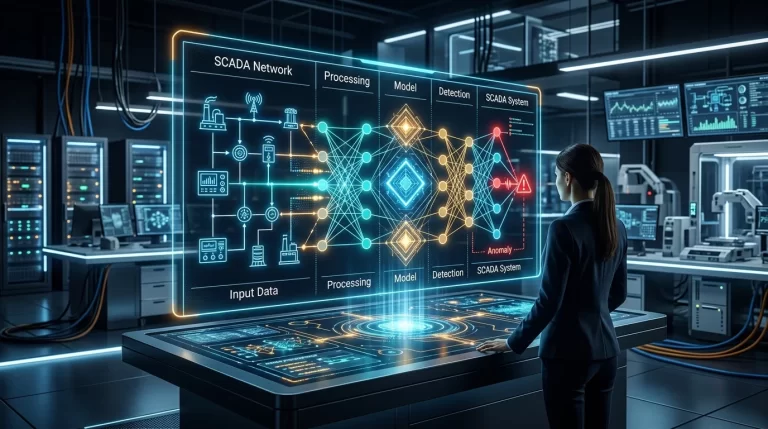
- Data Analysis: AI algorithms can analyze vast amounts of data from various sources, including sensors and historical records. This analysis helps identify trends, anomalies, and potential issues in water distribution networks.
- Predictive Modeling: By utilizing machine learning techniques, WaterGems can create predictive models that forecast water demand, identify leakages, and optimize pump operations.
- Optimization: AI can assist in optimizing system design and operation, reducing energy consumption and improving overall efficiency.
- Real-Time Monitoring: Integrating AI allows for real-time monitoring of water systems, enabling quick responses to changing conditions and emergencies.
Benefits of Integrating AI into Hydraulic Models for WaterGems Users
The integration of AI into hydraulic models within WaterGems offers numerous benefits for users, enhancing both the efficiency and accuracy of water management practices. Below are some of the primary advantages:
| Benefit | Description |
|---|---|
| Enhanced Accuracy | AI improves the precision of hydraulic models by learning from historical data and identifying complex patterns that traditional methods may overlook. |
| Increased Efficiency | Automating data analysis and model calibration reduces manual effort, allowing engineers to focus on more critical tasks. |
| Better Decision-Making | AI-driven insights provide decision-makers with the information needed to make informed choices regarding water distribution and resource allocation. |
| Cost Savings | By optimizing operations and reducing waste, organizations can achieve significant cost savings while ensuring sustainable water management. |
| Real-Time Insights | AI enables real-time data processing, allowing for immediate responses to issues such as leaks or changes in demand. |
In conclusion, the fusion of AI and Hydraulic Modeling within WaterGems marks a significant advancement in the field of water management. By leveraging the capabilities of AI, WaterGems users can enhance their modeling accuracy, improve operational efficiency, and make informed decisions that lead to better resource management. As technology continues to evolve, the integration of AI into Hydraulic Modeling will undoubtedly play a critical role in shaping the future of water distribution systems.
AI in Hydraulic Modeling refers to the application of artificial intelligence techniques to enhance the analysis, design, and optimization of hydraulic systems. By leveraging machine learning algorithms and data analytics, AI can improve the accuracy of hydraulic models, predict system behavior, and optimize water distribution networks.
AI can be integrated with WaterGems and water Simulation software by using machine learning algorithms to analyze historical data, optimize system performance, and automate decision-making processes. This integration helps in improving model accuracy and efficiency in simulating various scenarios in water distribution systems.
The benefits of using AI in Hydraulic Modeling include improved predictive capabilities, enhanced data analysis, faster processing times, and better decision support. AI can help identify inefficiencies in water distribution networks, optimize resource allocation, and ultimately lead to more sustainable water management practices.
Yes, AI can significantly enhance real-time monitoring of hydraulic systems by analyzing streaming data from sensors and making immediate adjustments to optimize performance. This capability allows for proactive maintenance and quick responses to potential issues in water distribution networks.
Challenges associated with implementing AI in Hydraulic Modeling include data quality and availability, the complexity of algorithms, the need for specialized skills, and potential resistance to adopting new technologies. Ensuring that the AI models are interpretable and reliable is also crucial for effective decision-making in hydraulic systems.